Terry Savage: Reverse mortgages are useful but not for everyone
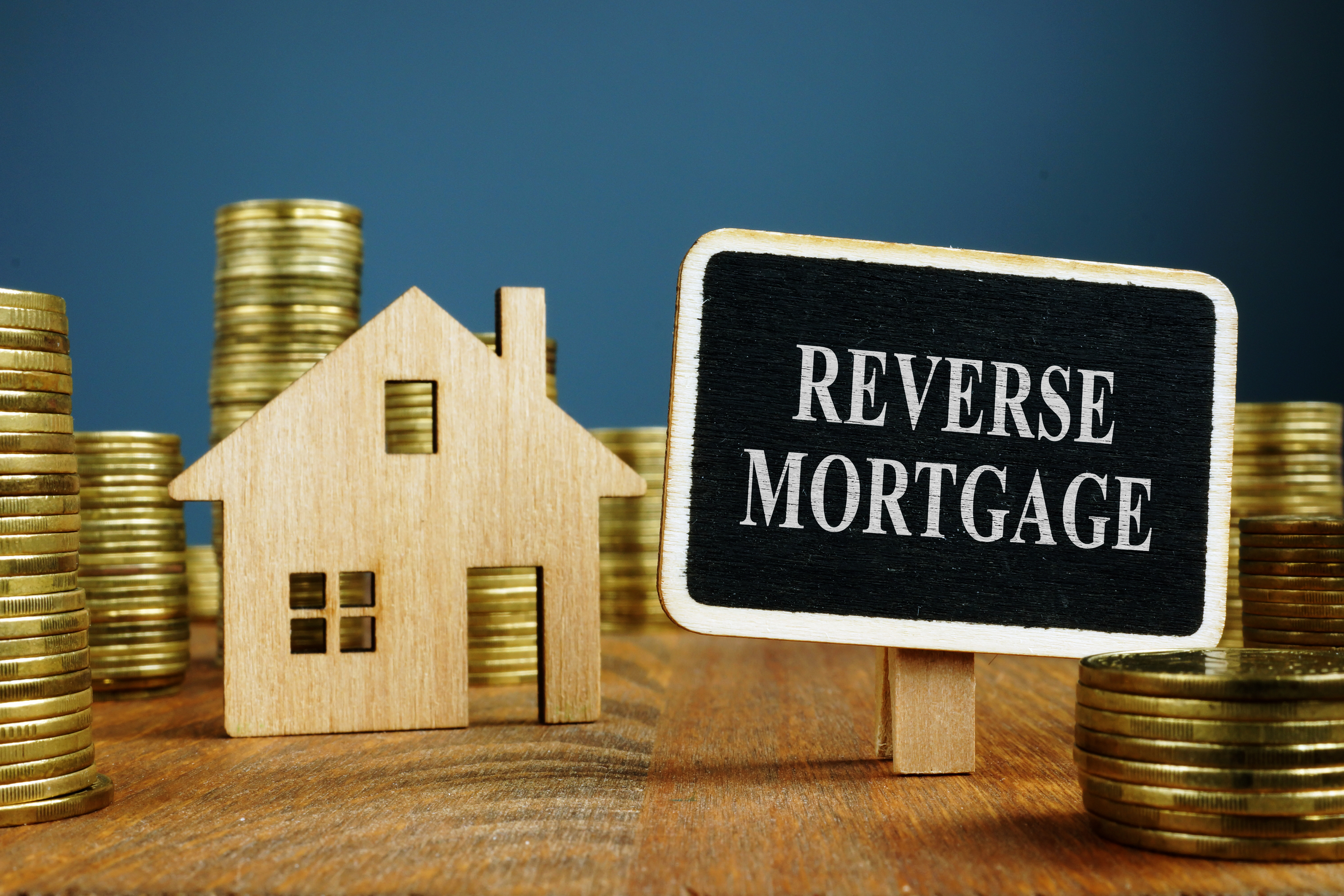


As Americans live longer and costs continue to rise, a growing number of seniors have decided to tap into the equity they’ve built up in their home, by using a reverse mortgage.
A reverse mortgage (RM) allows you to withdraw cash tax-free from your home equity — money that does not have to be repaid until you die or sell your home.
Late-night television commercials make these products seem like the proverbial pot of gold. But RMs are not for everyone. There’s a lot to consider, including how they work, how much you can withdraw — and how to avoid hidden costs and unscrupulous lenders.
If you are age 62 or older, an RM allows you to withdraw a lump sum, create a line of credit, or receive monthly payments — tax free — out of the equity built up in your home. You must have equity in your home to qualify, and your existing mortgage will be paid off as part of the process.
When you sell your home or die, the amount you have withdrawn, plus interest and fees, is deducted from the proceeds. Any remaining equity goes back to you or your heirs. Or your heirs can repay the loan and keep the house. If there is no equity left, neither you nor your heirs will owe any additional money to the lender. And you can never be forced out if the withdrawals (and interest) become larger than the value of the home itself.
You don’t need a credit check to qualify, and you retain title to your home.
You remain responsible for property taxes, insurance, and general upkeep of the home. So the RM lender will want to see evidence that you have enough ongoing income to do that.
You must have counseling from an independent, HUD-certified housing counselor before a RM will be granted.
The vast majority of RMs are HECMs (home-equity conversion mortgages), which are federally insured by HUD to protect the lender. The maximum borrowing amount for a HUD HECM in 2026 is $1,249,125.
(If your home is worth more, or you live in a condo that is not HUD-approved, many lenders offer proprietary RMs that can vary substantially in terms and costs. The examples below are for HECM RMs.)
The amount of equity you can access is determined by your age, the value of your home and current interest rates. The older you are, the more money you get!
Here is an example:
Jack, 73, is married to Diane, 71, and they own a home worth $950,000, with a $200,000 mortgage. They have choices.
They can pay off their current mortgage, receiving a lump sum of $36,670 at closing — and still have a remaining line of credit of $100,549, which they can access after they’ve been in the RM for 12 months.
Or Jack and Diane can pay off their current mortgage, receive no money at closing, and have a line of credit for $137,219 — available after they’ve been in the RM for 12 months.
Or Jack and Diane can pay off the current mortgage at closing and receive $928.22 per month for the rest of their lives.
This example was created by David Hochberg (www.56David.com), a national RM lender. He explains that RMs work well for homeowners who want to remain in the home, and need additional money to cover rising costs. But he warns that you must research both the lender and the loan officer to make sure you’re getting the best deal.
Each reverse mortgage comes with both fixed costs and variable costs — hidden costs! They impact the mount you can receive, and how quickly the debt builds up against your equity.
—HUD Origination Fee: HUD charges 2% of the home value up to $200,000, then 1% of the home value above $200,000, which enables the non-recourse fee of the HECM. The maximum origination fee is capped is $6,000.
—Interest rate: Most reverse mortgages are structured as adjustable-rate mortgages (ARMs), because they allow access to more of the home equity than a fixed rate HECM.
—Margin: There are two portions to the interest rate charged on a RM. The basis is an index called the CMT — constant maturity Treasury index — calculated by the government. But the second portion is calculated by the lender — the “margin” — or how much interest above the CMT is charged by the lender. This margin must be disclosed — and it’s where the lenders make big money on these loans. You’ll want to pay no more than 2% margin. And some lenders will charge only 1.75% on RMs with higher loan amounts.
—COLA adjustment: All FHA RM’s offer a cost-of-living increase on the unused portion of the line of credit, currently a COLA of approximately 5%. That means your untapped balance of the loan grows to keep up with inflation.
The origination fees are standard but become part of the loan balance. The rates are determined by lenders, and currently you should expect to pay between 6% and 6.75% interest on a HECM RM. You’ll pay a higher rate on a proprietary non-HECM product. But lenders typically charge much higher rates in exchange for lower up-front origination fees.
Reverse mortgages can be a life-saving strategy for staying in your home — or an expensive drain on your home equity. It depends on your ability to keep up with other costs of home ownership — and on the structure of the loan.
And that’s The Savage Truth.
========
(Terry Savage is a registered investment adviser and the author of four best-selling books, including “The Savage Truth on Money.” Terry responds to questions on her blog at TerrySavage.com.)
©2026 Terry Savage. Distributed by Tribune Content Agency, LLC.







Comments