
Environmental Nutrition: Eavesdropping on the conversation between your brain and your gut
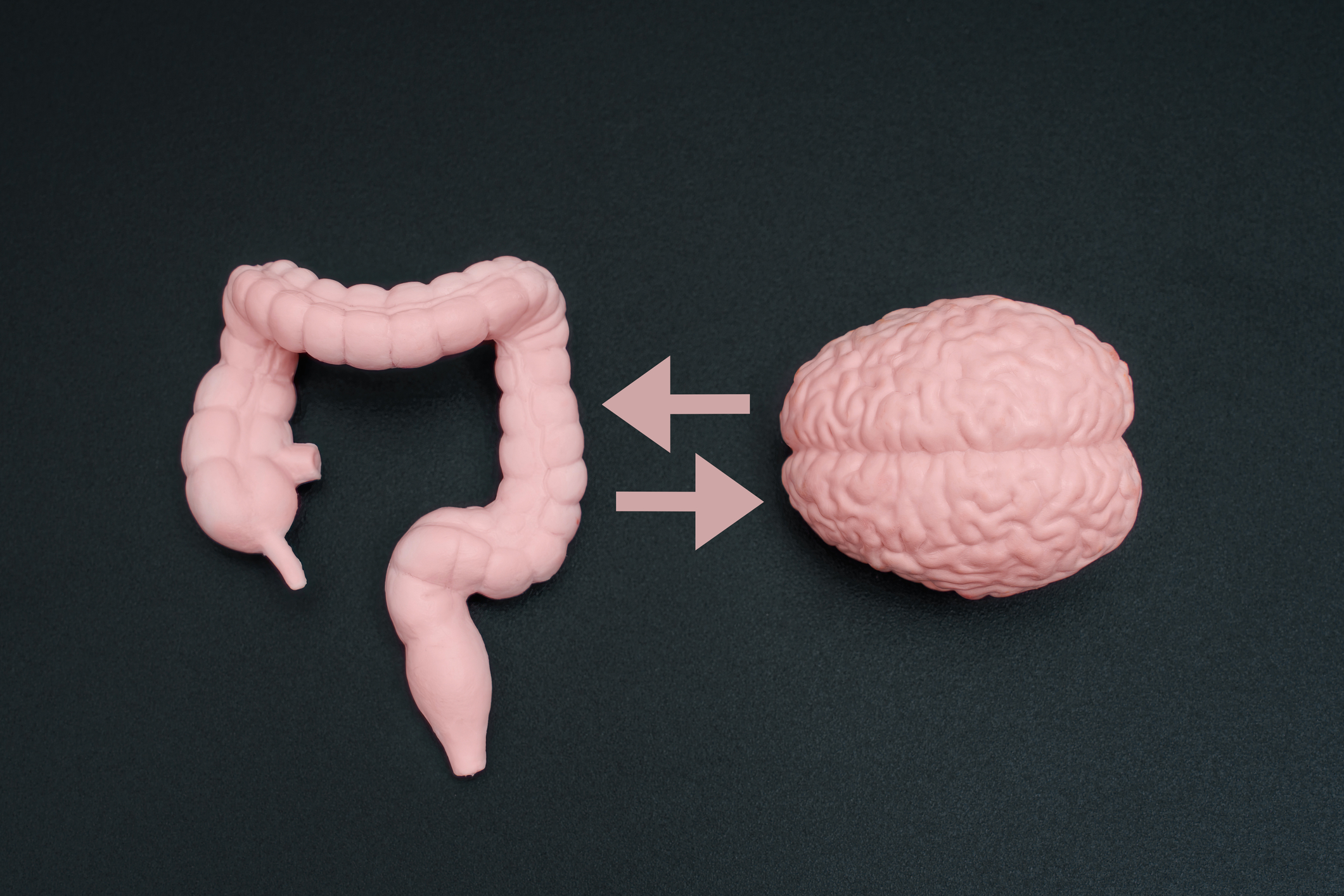
Anyone who’s ever been anxious or stressed out and developed diarrhea, stomach pain, or nausea is instinctively aware of the connection between the brain and the gut. But, while that connection was suggested as early as the 1800s and has its roots in ancient medicine, it has only recently been dubbed the “gut-brain axis” and has been researched for the link between gut health and mental health.
It turns out that the gut, specifically, the teeming bacteria that live in your large intestine, regularly communi- cate with your brain in a variety of ways, and your brain talks back, contributing to or lessening anxiety and depression. In fact, the connection is so important that the gut is sometimes referred to as the “second brain.” If the bacteria in the gut is out of balance, the communi- cation between the brain and the gut is disrupted, and can result in a host of physical and psychological conditions.
The gut microbiome
The large intestine is home to trillions of bacteria, some good and some bad, that release a variety of molecules into the bloodstream and determine to a large extent how hormones, neurotransmitters, and immune cells affect your mental health. While everyone’s microbiome is different, depending in part on genetics, diet as well as prebiotics and probiotics can shift the balance, potentially having a positive effect on mental health.
Probiotics are live microorganisms found in foods like yogurt, kimchi, kefir, and miso, and in some supplements that, if consumed regularly, can improve the bacterial bal- ance in the gut. Prebiotics are complex carbohydrates and fiber that provide nourishment to the “good” bacteria in the gut and help to shift the microbiome in the right direction.
The science
While most studies have been done in animals, the findings from a small human study from Queen’s University in Ontario, Canada, suggested that adding specific strains of probiotic bacteria to the diet may significantly improve symptoms of depression. Another study out of Poland, found that adding probiotics to standard medications for depression may be able to reduce the severity of depression symptoms and improve cognitive function. In fact, a number of studies have highlighted the rela- tionship between a stressed gut and a stressed brain.
Negative changes in the gut microbiome after infection with COVID-19 has been suggested as a possible contributor to the “brain fog” that is sometimes a symptom of long COVID. There is also growing interest in the effect of probiotics on post-traumatic stress disorder (PTSD) and sleep disturbances, but research in those areas is in the early stages.
A UK study of 89 adults with sleep impairments found that, compared to a placebo, sleep quality improved over the short term with daily intake of Bifidobacterium longum. Mental fatigue was reduced and energy was increased after eight weeks, versus placebo.
In a study out of Ireland, 20 male students reported significantly improved overall sleep quality and duration of sleep during university exams while taking Bifidobacterium longum, although there was no improvement in self-reported stress. While there was no self-reported change in stress in this study, sleep and stress are linked, and anxiety can lead to poor sleep quality and shortened sleep duration.
The type of probiotics given in both animal and human studies has varied, but a recent research review article suggested that probiotics containing Lactobacillus and Bifiobacterium seem to have the most impact on improving mental health symptoms. But because neither strain of bacteria is able to take up permanent residence in the gut, they have to be taken regularly to have a long-lasting effect.
How it might work
The exact mechanisms for how changes in the gut microbiome either positively or negatively affect mental health, especially depression and anxiety, aren’t completely understood, but researchers have some understanding of the connection.
Signals from the vagus nerve, which runs from the brain to the large intestine on both sides of the body, and is a major component of the immune system, are carried from the brain, to the heart, and the digestive system and back again. It’s a constant, two-way communication that can impact mental health. Stress-induced changes in the gut may not only affect mental health, these changes may also increase susceptibility to gastrointestinal disorders and infection.
Bottom line
As researchers gain a better understanding of how the gut microbiome affects brain function, it could pave the way for better therapies and approaches to prevention of mental health conditions, such as anxiety and depression, and could include probiotics and dietary changes, such as increasing intake of fermented foods and fiber. However, because of the limited number of studies, experts are unable to currently provide recommendations for the type of probiotics that would be most effective and what the optimal dose should be.
(Environmental Nutrition is the award-winning independent newsletter written by nutrition experts dedicated to providing readers up-to-date, accurate information about health and nutrition in clear, concise English. For more information, visit www.environmentalnutrition.com.)
©2026 Belvoir Media Group, LLC. Distributed by Tribune Content Agency, LLC.









Comments