Hal Brands: Ukraine is winning -- for now at least
Published in Op Eds
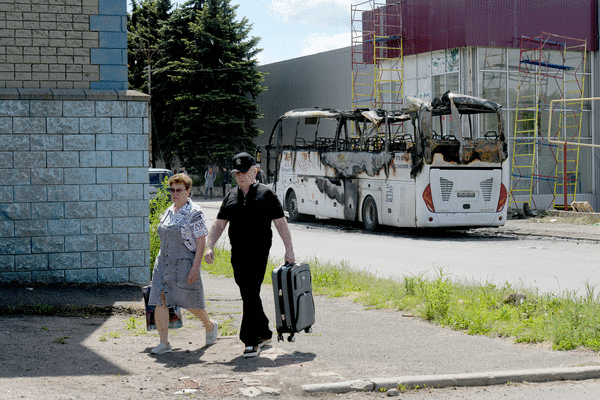
In a moment of gloomy geopolitical news, Ukraine has become a bright spot. Kyiv is faring better on the battlefield than at any time in years. Russia’s costs are surging even as its military gains shrink. If Ukraine can sustain this trajectory, perhaps it can finally force Moscow to make a decent peace.
But the optimism should be tempered: There are nagging questions about how long this period of Ukrainian advantage will last and how dangerous a cornered Russian President Vladimir Putin could be.
Since the failure of Ukraine’s counteroffensive in 2023, this war has mostly had a depressing rhythm. The Russians grind away at the front, gradually grabbing land while pressing their economic and manpower advantages. The costs of that strategy have been obscene and the progress has been glacial. But the basic trend line had been clear, allowing Putin to believe that Russia would win an ugly victory in the end.
But 2026 has been different. The rate of Russian advances is slower than in prior years, even as losses remain sky-high: perhaps 35,000 personnel killed, wounded or missing each month. The Ukrainians have regained small spits of land through localized counterattacks. The momentum has shifted mostly because of Ukraine’s world-class drone capabilities.
Innovation is intense and unceasing in Ukraine: Development cycles for smaller drones have dropped from years to weeks or days. Along the front lines, pervasive drone coverage creates a kill zone for the Russians in which movement is difficult and massing is deadly. For now, that dynamic helps the defender, Ukraine, more than the attacker, Russia.
Crucially, Kyiv has added large numbers of midrange drones that can smash trains, trucks and other logistical targets 100 miles or more from the front, making it harder for Moscow to reinforce contested positions. This complements a sophisticated long-range strike program, featuring one-way drones and some domestically developed missiles.
That program put a damper on Putin’s recent Victory Day parade in Moscow, upended an economic summit in St. Petersburg, and hammered the oil infrastructure that underpins Russia’s war effort.
The Economist reports that Russian refinery output was 15% lower this spring than last spring, despite higher prices due to the American war on Iran. Russia’s monthly battlefield losses now regularly match or exceed its recruitment rates. Discontent among the Russian elite is rising; the war economy is under growing strain.
The diplomatic context is also shifting: The electoral defeat of Hungary’s Viktor Orban in April removed Putin’s best European ally and lifted a persistent obstacle to continued European funding of Ukraine.
None of this means victory is near: Ukraine still can’t liberate large parts of its land in the east now held by Moscow. Putin is still bent on further dismembering and politically neutering that country. But if Ukraine keeps bleeding Putin’s armies and battering the Russian economy through the remainder of this year, perhaps it can exhaust even Putin’s willingness to accept such exorbitant costs.
Conditions might then emerge for a ceasefire along the present line of contact — even a tense, periodically violent peace might allow Ukraine to rebuild and integrate with the West. The prospect for that integration, too, is better than ever. Ukraine can tie itself into the Western defense-technological ecosystem by selling drone and counter-drone technology.
But pessimism often follows optimism in Ukraine; we’ve heard that the tide is turning before. Even as Ukraine’s fortunes are improving, one uncertainty and one danger persist.
The uncertainty is whether Ukraine’s drone advantage is now structural or merely cyclical. Ukraine briefly grabbed the upper hand in early 2025, only for Russia to neutralize that edge as the year went on by adapting to Ukrainian tactics — for instance, by using wide-guided drones to evade Ukrainian electronic warfare.
The Russian military remains a resilient, learning organization; Russian industry can churn out drones and other weaponry at scale. If Ukraine’s drone edge is temporary, its residual weaknesses will soon come back into focus.
The country is still short on manpower. Russian attacks savaged the Ukrainian energy grid last winter, and next winter could be more painful. Moscow has been intensifying its brutal air war against Kyiv and other cities.
The danger is that a pressured Putin will only increase his coercive efforts. The Russian leader has long argued that the conflict with Kyiv is a fight against the West. Over the years, he has used nuclear threats, murderous sabotage and aggressive hybrid warfare to keep Ukraine’s supporters off-balance.
This dimension of the war is heating up. Late last month, a Russian drone struck an apartment building in Romania, a North Atlantic Treaty Organization member. Russian threats against vulnerable Baltic states have grown more menacing.
Putin isn’t preparing for World War III: His military can hardly handle the fight it’s in. But he probably hopes that military intimidation will cause European states to attenuate their support for Ukraine or discourage it from striking Russian cities. Or perhaps he believes that the threat of escalation will bring a favorable diplomatic intervention from US President Donald Trump. Some NATO officials even fear that Putin might stage a minor military conflict — an occupation and then a quick withdrawal from territory in Estonia, for example — as a way of discrediting NATO and showing the Europeans that Trump no longer has their back.
That’s still an outlier scenario. But Putin, who has staked everything in Ukraine, won’t easily accept bitter disappointment there. A conflict that is now going better for the good guys could become more dangerous before it ends.
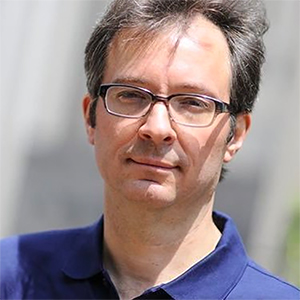
Brands is also a senior fellow at the American Enterprise Institute, the author of The Eurasian Century: Hot Wars, Cold Wars, and the Making of the Modern World, and a senior adviser to Macro Advisory Partners.
____
This column reflects the personal views of the author and does not necessarily reflect the opinion of the editorial board or Bloomberg LP and its owners.
Hal Brands is a Bloomberg Opinion columnist and the Henry Kissinger Distinguished Professor at Johns Hopkins University’s School of Advanced International Studies.
©2026 Bloomberg L.P. Visit bloomberg.com/opinion. Distributed by Tribune Content Agency, LLC.















































Comments